Event-Linked Enhancements: How British Bookmakers Time Their Perks for Peak Viewing Periods
Written by Gisela Otto · Nov 5, 2026
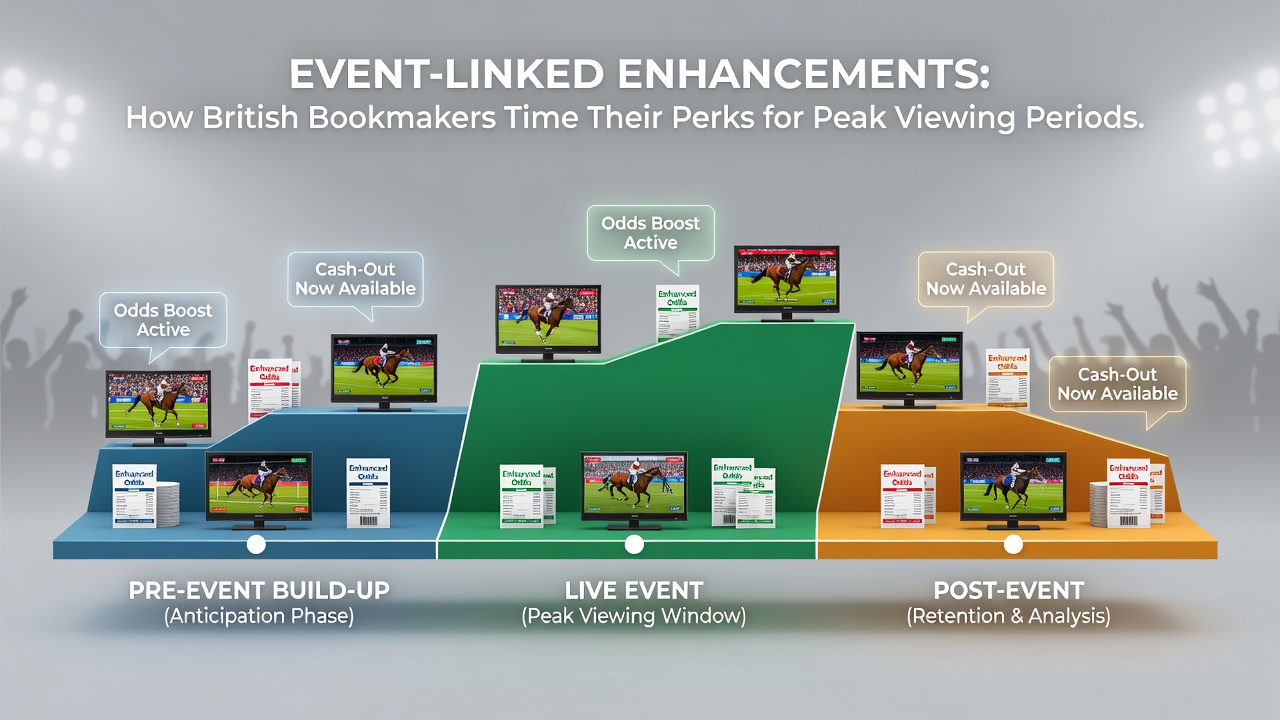
Event-Linked Enhancements: How British Bookmakers Time Their Perks for Peak Viewing Periods
Bookmakers across Britain coordinate promotional releases with broadcast schedules for major sporting events, aligning free bet availability and odds adjustments to coincide with periods of heightened television viewership. Data from industry tracking services shows these operators release enhanced offers during windows when audiences peak, such as Saturday afternoon football fixtures or evening boxing cards, because viewer numbers directly correlate with betting activity spikes according to multiple platform reports.
Alignment With Broadcast Calendars
Operators monitor listings from networks like Sky Sports and BT Sport to identify slots where millions tune in simultaneously, and they activate time-limited perks within those exact hours. For instance, during Premier League matchdays the volume of odds boosts increases in the two hours before kickoff, while similar patterns emerge around Formula One sessions and rugby internationals. Researchers at the Australian Gambling Research Centre have documented comparable timing strategies in other markets, noting that synchronized releases maximize exposure when audiences gather around screens.
November schedules often feature dense programming clusters, and analysts expect similar structures to continue into November 2026 when domestic leagues overlap with international qualifiers. Bookmakers therefore pre-load promotional calendars weeks ahead so that codes and multipliers activate automatically during these overlapping broadcasts, creating seamless integration between television content and betting interfaces.
Peak Period Identification Methods
Teams inside betting firms use real-time viewership data and historical betting volumes to pinpoint optimal release windows. They cross-reference audience figures released by broadcasters with internal transaction logs, then trigger enhancements only when both metrics exceed set thresholds. This approach avoids diluting impact by spreading offers across quieter periods, concentrating activity instead around events that draw consistent large crowds to living rooms and pubs.
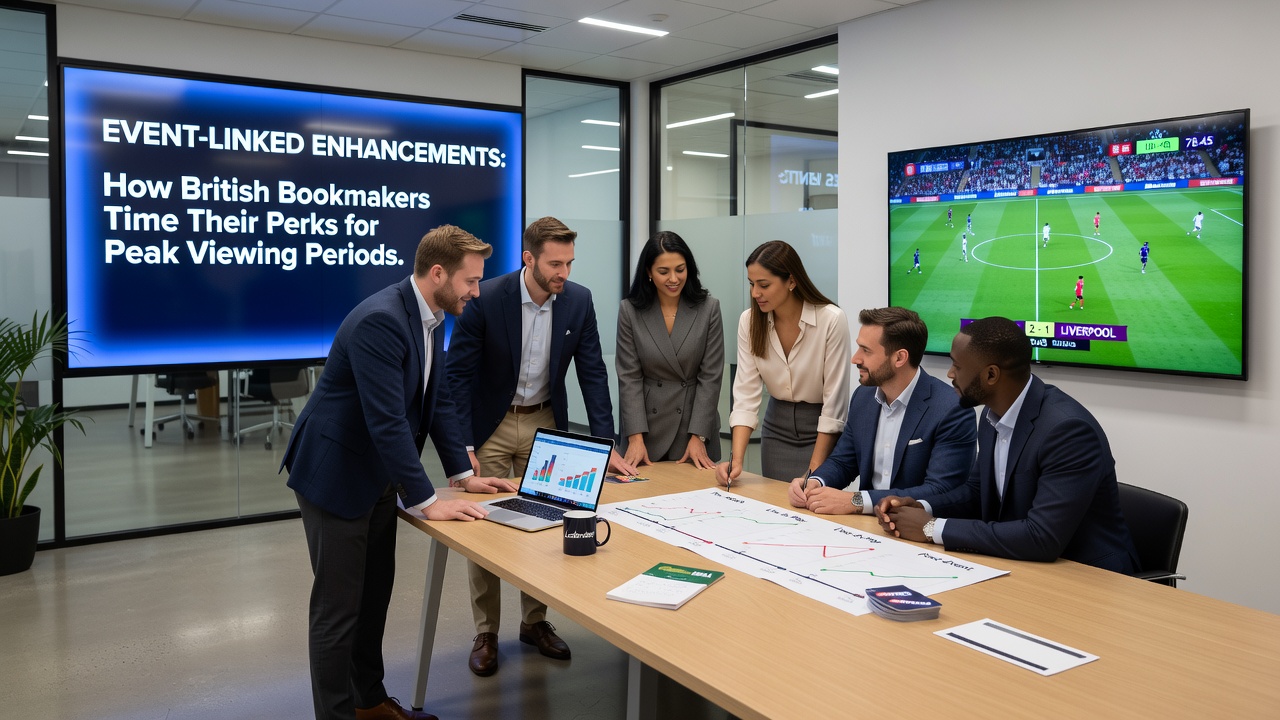
One documented case involved a major operator that shifted an entire week of reload offers forward by 48 hours to match an unexpected schedule change in a Champions League tie. The adjustment produced measurable uptake differences compared with the previous season's equivalent window, illustrating how responsive timing influences engagement rates without requiring changes to the underlying offer mechanics.
Technology Supporting Timed Releases
Modern platforms rely on automated rules engines that push notifications and update app interfaces at predetermined moments tied to external event triggers. These systems pull feeds from sports data providers to confirm match start times, then execute pre-programmed sequences of bonus activations. Observers note that such automation reduces human error while ensuring consistency across thousands of user accounts during high-pressure broadcast windows.
Industry groups such as the European Gaming and Betting Association have highlighted the growing reliance on these tools in annual sector overviews, emphasizing that precise synchronization helps operators meet regulatory expectations around responsible promotion timing. The same reports indicate that firms maintaining detailed event calendars achieve more predictable patterns of user interaction across successive seasons.
Regional Variations in Timing Strategies
Scottish and Welsh operators sometimes diverge from English-centric schedules by incorporating local fixtures that attract strong regional audiences, such as Highland League matches or regional rugby derbies. These adjustments allow smaller promotions to run alongside national campaigns without competing directly for attention. Data compiled by Canadian research institutions tracking cross-border betting behavior shows that localized timing can increase participation among users who follow domestic rather than premier competitions.
Operators also factor in international events that British viewers follow through overseas broadcasts, including Australian Rules football grand finals and NBA playoff games. By extending promotional windows into late evenings, firms capture audiences watching delayed or streamed coverage, thereby extending the effective reach of each timed enhancement.
Conclusion
British bookmakers maintain sophisticated calendars that link promotional mechanics directly to broadcast peaks, using data-driven triggers to activate offers when viewer numbers crest. This practice relies on continuous monitoring of schedules, automated delivery systems, and selective regional tailoring. Reports from organizations such as the Responsible Gambling Council and academic reviews continue to track how these timing patterns evolve alongside changes in media consumption habits, providing ongoing reference points for the sector through 2026 and beyond.