Aligning Incentives: UK Betting Platforms Time Bonus Launches to Coincide with Major Athletic Competitions
Written by Greta Long · Nov 19, 2026
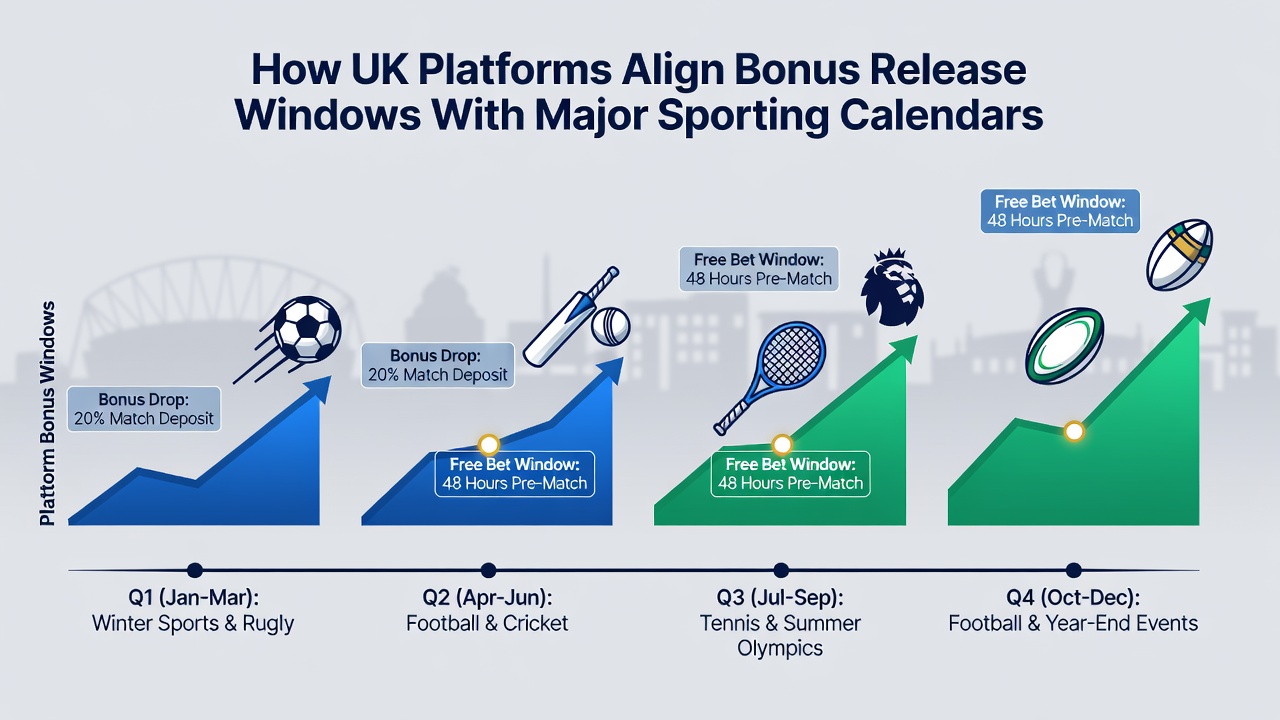
Aligning Incentives: UK Betting Platforms Time Bonus Launches to Coincide with Major Athletic Competitions
UK betting operators coordinate promotional calendars with fixture lists from major sports leagues and tournaments because peak audience periods create natural windows for higher engagement, and data from industry analyses confirm that release timing follows predictable patterns around events such as the Premier League season and tennis majors. Observers note that these platforms review annual sporting schedules months in advance to prepare bonus structures that activate during high-interest periods, including opening weekends, cup finals, and international breaks, while regulatory frameworks require clear terms that remain consistent regardless of timing.
Core Patterns in Release Scheduling
Platforms examine fixture releases from governing bodies and align their own bonus activation dates accordingly, since periods of concentrated matches generate measurable spikes in user activity according to aggregated industry reports. For instance, the start of the domestic football campaign in August sees coordinated offers that reference upcoming fixtures, whereas the winter schedule around November 2026 will feature specific windows tied to congested midweek games and international qualifiers. Those who track these patterns find that operators often stagger bonus availability across multiple weeks rather than concentrating everything on a single date, which spreads participation and complies with responsible gambling guidelines from various oversight bodies.
Football Seasons and Associated Windows
The Premier League calendar dictates several distinct phases where operators introduce or refresh bonus structures, including the summer transfer window period that precedes the August kickoff and the January window that overlaps with league resumption after festive fixtures. Data shows increased promotional density during these stretches because user searches for team news and odds rise sharply, and platforms respond by releasing offers that reference specific matchdays. European competitions add further layers since Champions League group stages and knockout rounds create additional high-traffic dates that operators incorporate into their planning cycles, resulting in sequential bonus phases that extend across autumn and spring months.
Tennis Majors and Cross-Sport Overlaps
Grand Slam tournaments provide another set of fixed dates that influence bonus timing because they attract both dedicated tennis followers and casual viewers during evening sessions, and platforms frequently schedule enhanced promotions to run parallel with quarterfinal and semifinal stages. Wimbledon fortnight in July overlaps with the close of many domestic seasons, creating combined windows where operators can reference multiple sports within single campaigns, while the US Open in late summer fills a quieter period before the new football season gains momentum. Observers note that these tennis events allow for shorter, event-specific bonus cycles compared with the longer football seasons, and the staggered nature of the four majors helps distribute promotional activity across the calendar year.
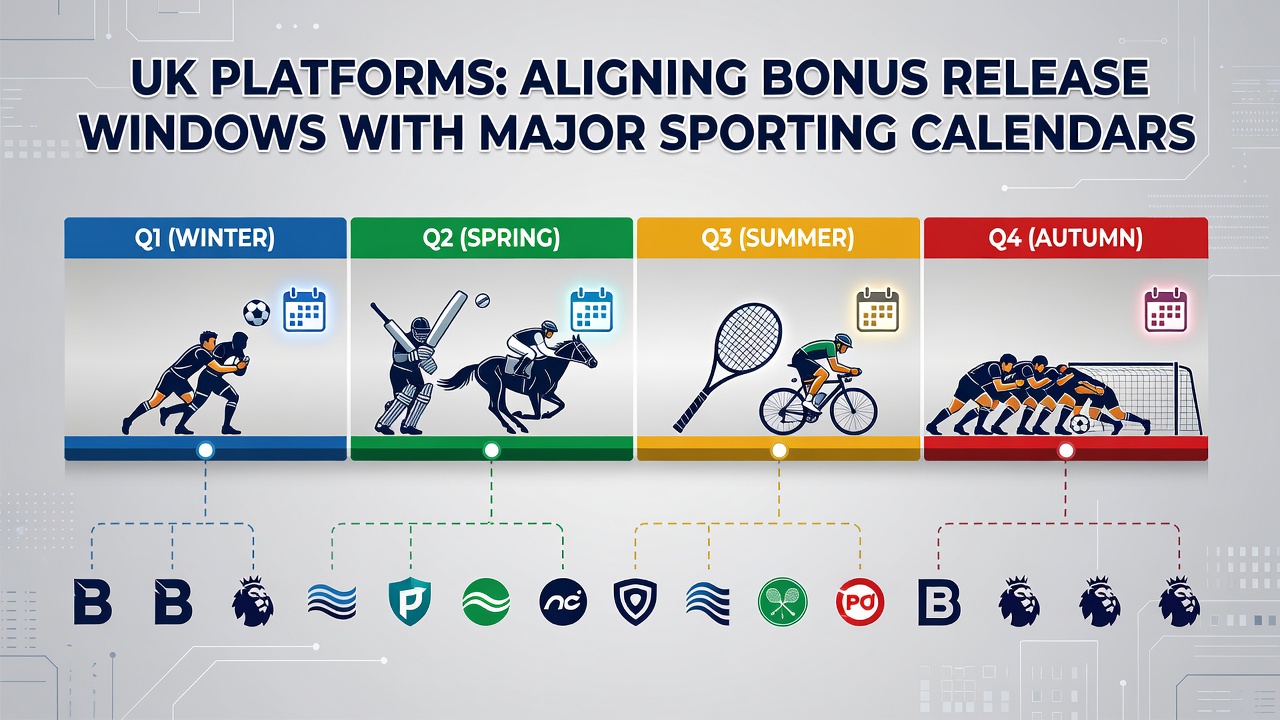
Additional Events and Multi-Sport Coordination
Operators also incorporate rugby internationals, horse racing festivals, and cricket test series into their planning because these events draw distinct audience segments that respond to tailored promotions timed around key sessions or race days. The Cheltenham Festival in March and the Open Championship in July represent recurring anchor points where bonus availability expands for several consecutive days, and platforms often link these to broader seasonal campaigns that reference concurrent football or tennis fixtures. Research from international gaming associations indicates that such coordination improves retention metrics across different user cohorts, since participants encounter relevant offers at moments when their interest in specific sports peaks naturally.
Technical and Regulatory Considerations
Release windows must satisfy technical requirements around verification processes and payment handling, which means operators build buffer periods into their schedules to accommodate compliance checks before bonuses become active. Terms and conditions remain uniform across these windows, and platforms publish clear activation criteria that reference the relevant sporting events without implying any guaranteed outcomes. Those who study the sector observe that November 2026 will follow established rhythms, wth operators preparing bonus structures around anticipated football congestion and any overlapping winter sports events that emerge on the calendar. National Council on Problem Gambling resources outline general principles that operators reference when structuring time-limited promotions, while Canadian Centre for Addiction and Mental Health studies provide broader data on timing impacts that inform industry practices outside the UK.
Conclusion
UK platforms maintain structured approaches to bonus timing by mapping releases directly onto verified sporting calendars, ensuring that activation periods align with measurable audience interest peaks across football, tennis, and other major events. This coordination follows established industry patterns that repeat annually, incorporating fixed dates such as league openers, Grand Slam schedules, and festival weeks while remaining subject to consistent regulatory standards that apply regardless of the sporting context. The approach produces predictable promotional cycles that operators adjust according to fixture confirmations and audience data, resulting in a calendar-driven system that operates across multiple sports and seasons without deviation from core compliance requirements.